
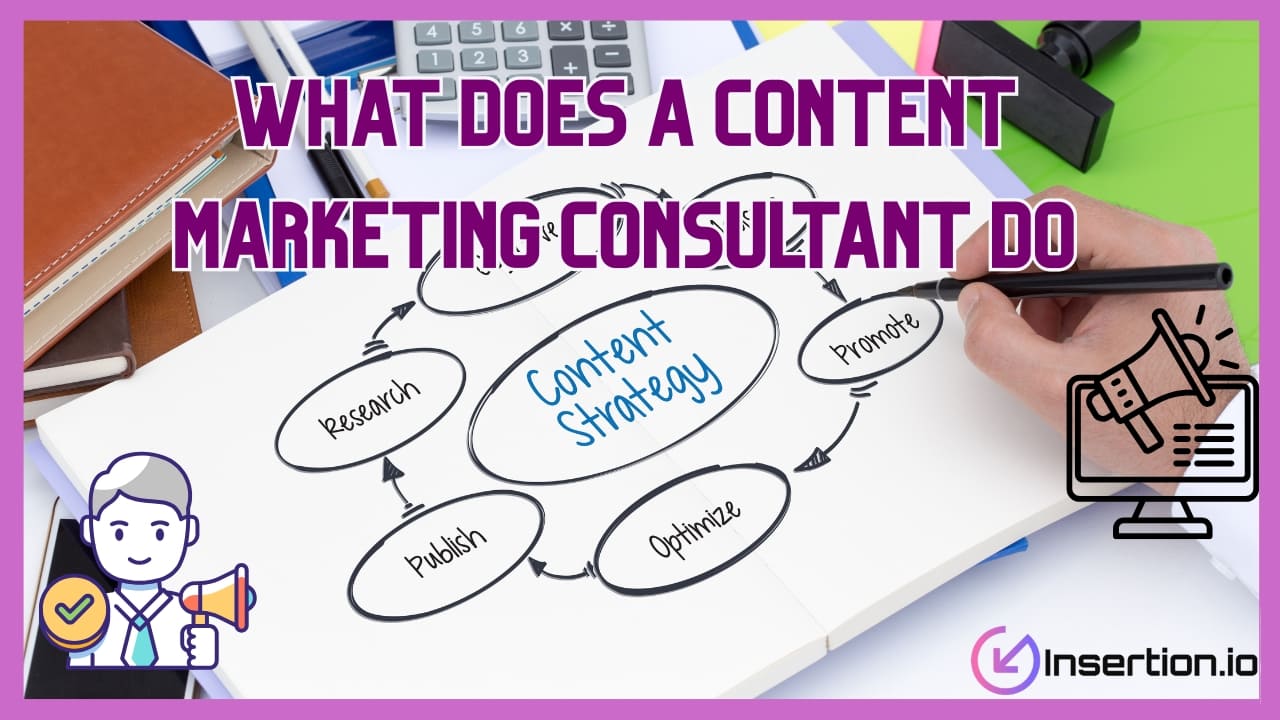
Many businesses struggle to develop a cohesive content strategy that effectively engages their target audience. In fact, over 90% of companies use content marketing, yet many are dissatisfied with their results due to a lack of expertise or resources. A content marketing consultant can bridge this gap by crafting tailored content strategies, optimizing SEO, and aligning content with business goals.
This article provides a comprehensive guide on what content marketing consultants do, their impact on marketing campaigns, and how they can transform your content efforts into measurable success.
Who is a Content Marketing Consultant?
A content marketing consultant is a marketing expert who specializes in creating and implementing content strategies that drive business growth and success. They help companies develop a content plan, improve their online presence, and align content with marketing goals. Content marketing consultants also guide businesses in creating high-quality content, including blog posts, social media posts, and email marketing campaigns. Their role includes analyzing content performance, recommending improvements, and optimizing SEO content to ensure content resonates with the target audience. Ultimately, content marketing consultants enhance marketing efforts and help businesses achieve a successful content marketing strategy.
What Strategies Do Content Marketing Managers Employ?
Content marketing managers implement a variety of strategies, including SEO-optimized blog posts, engaging social media content, and email marketing campaigns. They create strong content marketing plans and ensure content aligns with marketing goals. Managers also focus on lead generation content, influencer marketing, and leveraging marketing channels for outreach.
SEO-optimized blog posts:
SEO-optimized blog posts are a key component of content marketing strategies. These posts are designed to rank well in search engines, attracting organic traffic to your website. Content marketers incorporate SEO-friendly keywords, craft compelling headlines, and deliver valuable information that resonates with their target audience. By focusing on content that ranks well, these blog posts drive increased visibility, engagement, and ultimately, business conversions. Optimizing blog posts also involves using internal and external links, engaging visuals, and high-quality content that aligns with the latest SEO best practices.
Engaging social media content:
Creating engaging social media content is essential to any content marketing strategy. Social media allows businesses to connect with their audience in a meaningful way. Content marketers focus on crafting posts that are both visually appealing and interactive. This content can include eye-catching images, videos, and polls to encourage audience participation. The goal is to establish a robust content marketing presence across multiple platforms, whether through influencer marketing or targeted content strategies. Effective social media content fosters audience engagement, enhances brand visibility, and drives traffic to websites, further supporting marketing efforts.
Email marketing campaigns:
Email marketing campaigns remain an effective strategy in digital marketing. A successful email campaign is tailored to a specific target audience, featuring valuable content that encourages a desired action. Content marketers use email marketing to nurture leads, promote products, or share updates. Campaigns often include compelling subject lines, clear calls to action, and personalization to ensure that emails resonate with recipients. Additionally, marketers focus on creating content that provides value to subscribers, improving retention rates, and driving conversions. By segmenting lists and analyzing performance, email marketing campaigns help businesses refine their content marketing strategies.
Lead generation content:
Lead generation content is designed to capture potential customers’ interest and drive conversions. This type of content typically includes downloadable resources like eBooks, whitepapers, or webinars. Content marketers craft compelling offers that provide value to the audience in exchange for their contact information. Effective lead generation content is targeted, relevant, and provides actionable insights. It can also be integrated into broader content marketing campaigns, such as using email marketing or SEO content to funnel leads into the sales process. Ultimately, it plays a critical role in building a customer base and growing marketing efforts.
Video Marketing:
Video marketing has become an increasingly important content marketing strategy. Videos engage audiences in a dynamic and visually appealing way, making them an effective tool for content creation and marketing. Content marketers use videos to convey brand messages, showcase products, or provide educational content. These videos can be shared across various marketing channels, including social media, email, and websites. Moreover, video content often performs well in SEO rankings, enhancing online presence. By integrating video into content marketing plans, businesses can boost engagement, improve customer retention, and drive higher conversion rates. Video marketing is undoubtedly a powerful tool in any strategy.
How Does a Content Marketing Consultation Work?
1. Conducting Research:
The first step in content marketing consulting is conducting thorough research to understand the business and its goals. A content marketing consultant will analyze the target audience, competitors, and industry trends. They evaluate existing content, including SEO content and past marketing campaigns, to identify strengths and weaknesses. This research helps the consultant identify key opportunities for improvement. They may also analyze the performance of previous content marketing efforts, ensuring that the new strategy focuses on areas that drive the most significant results. Research forms the foundation of a successful content strategy tailored to the business’s needs.
2. Assessing Current Marketing Strategies:
Assessing current marketing strategies is crucial for identifying where improvements can be made. The consultant evaluates existing content creation processes, social media marketing tactics, and SEO performance. Additionally, they review email marketing efforts and how well these tactics align with the business’s marketing goals. By examining the marketing plan, content calendar, and overall approach, the consultant highlights areas where adjustments are necessary. If content is not engaging or performing as expected, the consultant will suggest changes to improve content effectiveness and boost audience engagement, ultimately ensuring that marketing strategies are optimized for success.
3. Creating Objectives:
Creating clear and measurable objectives is a vital part of the content marketing consultation process. The consultant collaborates with the business to define specific objectives, such as enhancing brand awareness, increasing traffic, or boosting sales. These objectives serve as a roadmap for the content marketing strategy. They help ensure that the content created aligns with the overall marketing strategy and resonates with the target audience. Content marketing consultants often focus on measurable metrics like lead generation, social media engagement, and SEO rankings. Having well-defined goals ensures that the content marketing efforts stay on track and contribute to the business’s success.
4. Planning the Strategy:
Once the objectives are set, the consultant begins planning the content marketing strategy. They create a detailed content plan, including content types such as blog posts, videos, and visual content. The consultant also outlines a content calendar, specifying when and where each piece of content will be published. This strategy may incorporate SEO content, email marketing, social media outreach, and influencer marketing. It aligns content creation with marketing goals, ensuring all efforts contribute to a cohesive, impactful marketing campaign. Proper planning ensures that content marketing efforts are organized and lead to measurable results for the business.
5. Measuring and Adjusting Approaches:
Measuring and adjusting approaches is an ongoing process in content marketing consultation. The consultant monitors key performance indicators (KPIs), including website traffic, lead generation, and social media engagement. They utilize marketing tools and analytics to measure the effectiveness of their content marketing campaigns. If certain content pieces are underperforming, the consultant suggests adjustments to improve engagement. Whether modifying SEO strategies or enhancing content quality, they continuously refine the approach to ensure content marketing efforts deliver optimal results. Regular evaluation allows the consultant to adapt strategies based on real-time data, ensuring the content remains relevant and effective.
Conclusion
In summary, a content marketing consultant plays a pivotal role in shaping and executing strategies that drive business growth. They offer expertise in content creation, SEO, and marketing campaigns, ensuring that content aligns with your brand’s objectives and resonates with your audience. By collaborating with a content marketing consultant, businesses can enhance their online presence and achieve their marketing goals more effectively. Is your current content strategy delivering the results you desire, or could a consultant help elevate your efforts?
FAQs
1. What is content marketing?
Content marketing involves creating and distributing valuable content to attract and engage a target audience, ultimately driving business growth.
2. What skills should a content marketing consultant have?
A content marketing consultant should have skills in content strategy development, SEO, social media marketing, copywriting, and analytics.
3. How does a content marketing consultant help a business grow?
They create content strategies aligned with business goals, increase brand awareness, engage audiences, and drive conversions.
4. How much does a content marketing consultant cost?
Consultant fees vary depending on experience, project scope, and industry, but typically range from hourly rates to flat project-based costs.
5. How do I know if I need a content marketing consultant?
If your content strategy is underperforming or you lack in-house expertise, a consultant can help improve and streamline your content efforts.




Leave a Comment