
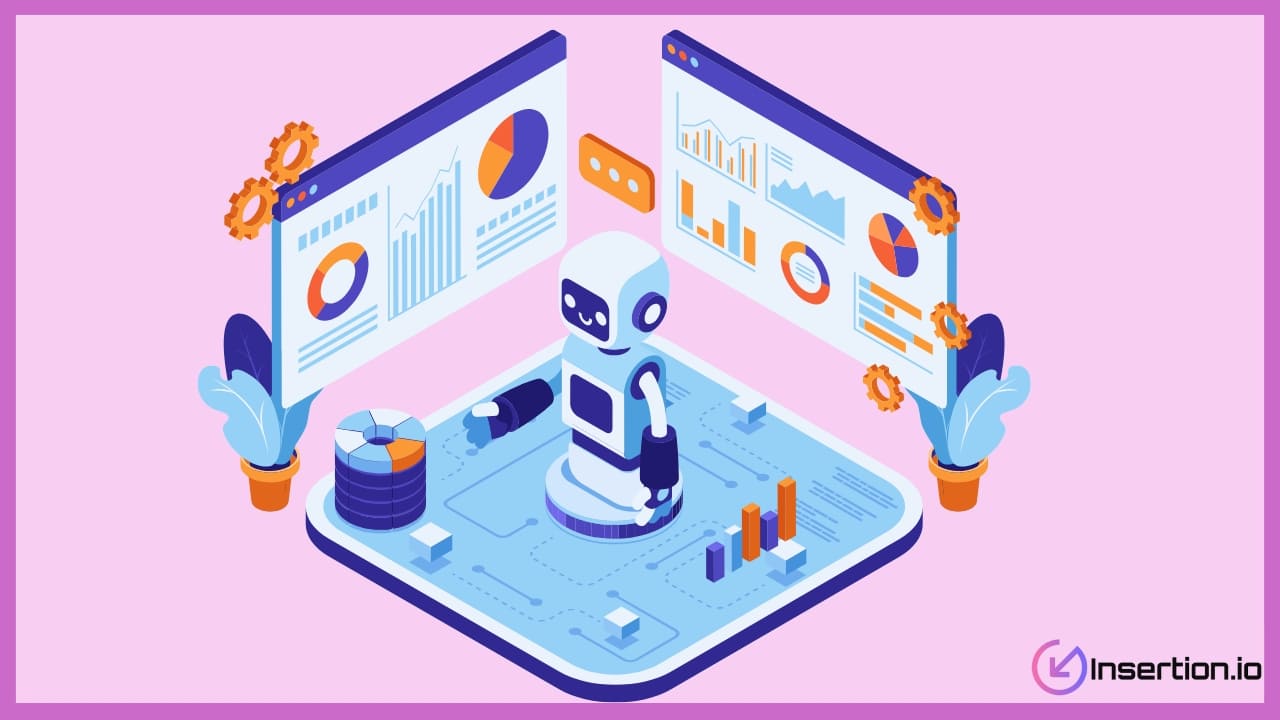
Most marketers struggle because they run campaigns without ad intelligence data, wasting huge portions of ad spend and guessing what works. Digital advertising intelligence gathers real‑time data from platforms like Google Ads and Facebook to show ad performance, audience engagement, and competitor moves. It combines analytics, performance data, and insights so you can optimize campaigns, placements, creatives, and ROI rather than guessing.
This data‑driven approach helps advertisers refine targeting, spot trends, and make informed decisions that boost results. In this article, you’ll find a complete guide on how digital ad intelligence tools enhance campaign performance and shape the future of marketing.
What is Digital Advertising Intelligence
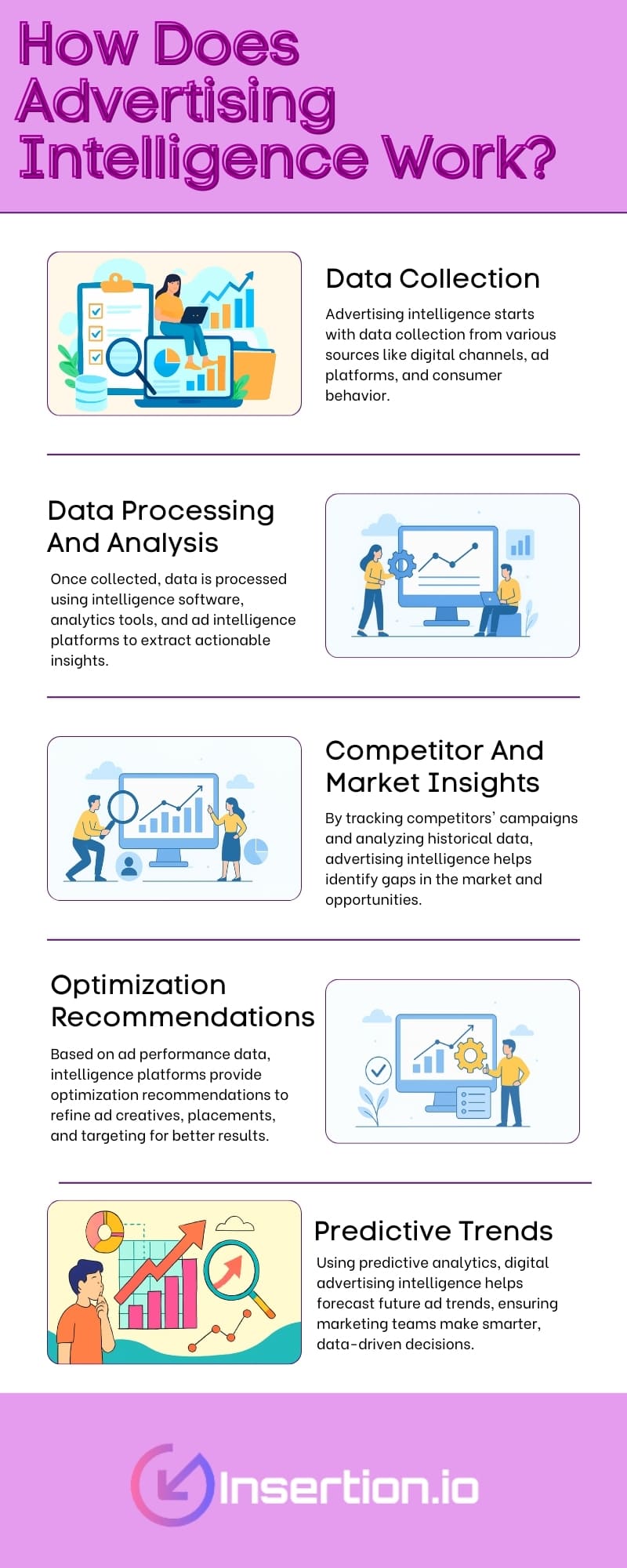
Digital advertising intelligence refers to the use of data, analytics, and insights to enhance digital ad campaigns. By leveraging ad intelligence tools and real-time data, marketers can optimize ad performance and refine ad creatives for better engagement. Intelligence platforms help track campaign performance and identify trends, enabling informed decision-making.
These tools provide predictive analytics, which assist in forecasting outcomes and refining advertising strategies. With access to performance data and consumer behavior insights, advertisers can tailor ad placements and targeting, thus ensuring the right message reaches the right audience at the right time. AI and data-driven decisions power this process.
Why Use Ads Intelligence Marketing?
Ad intelligence marketing helps marketers refine ad strategies and optimize campaigns with real-time data and advanced analytics tools.
- Optimize campaigns with real-time insights and data-driven decisions.
- Track ad performance across platforms like Google Ads and Facebook Ads for accurate analysis.
- Identify consumer behavior trends and market gaps to improve targeting.
- Refine ad creatives and placement based on performance data to boost engagement.
- Maximize ROI by analyzing ad spend and improving conversion rates through intelligent adjustments.
- Predictive analytics help marketers forecast ad success and optimize strategies accordingly.
- Competitive intelligence provides benchmarks to evaluate performance against industry standards.
- Enhance audience engagement with tailored ads informed by detailed performance insights.
Who Should Use Digital Advertising Intelligence?
Start-ups and small businesses:
Digital advertising intelligence helps start-ups and small businesses refine their ad campaigns. With real-time data and ad intelligence tools, they can make data-driven decisions to optimize their ad spend and improve campaign performance. This ensures a better ROI with limited resources.
Solo marketers and affiliates:
Solo marketers and affiliates benefit from ad intelligence platforms that track ad performance data. These tools help optimize campaigns, refine ad creatives, and target the right audience. They can improve conversion rates and reduce wasted spend, making smarter data-driven decisions in their digital marketing efforts.
In-house marketing teams:
In-house marketing teams rely on digital ad intelligence to enhance their advertising strategies. By using analytics tools, they can identify patterns, track ad performance in real-time, and measure campaign success. This helps them refine ad creatives and achieve better results across digital channels.
Agencies and consultants:
Agencies and consultants use advertising intelligence tools to analyze ad campaigns for multiple clients. These tools provide insight into performance data, enabling them to optimize campaigns, improve ad placements, and refine strategies. They can use competitive intelligence to track what’s working in the industry.
Executives and CMOs:
Executives and CMOs need digital advertising intelligence to make high-level decisions. By analyzing ad performance data and predictive analytics, they can understand consumer behavior, forecast trends, and adjust ad spend accordingly. This ensures ROI is maximized while aligning with business goals.
Data and marketing analysts:
Data and marketing analysts use ad intelligence tools to track ad campaigns, measure metrics, and identify trends. Their role involves analyzing ad performance data and providing actionable insights. These data-driven decisions allow businesses to optimize ad spend and refine their marketing strategies.
How To Utilize Digital Advertising Intelligence Effectively?
Define Clear Business Goals:

Before using digital advertising intelligence, it’s important to define clear business objectives. Set measurable goals such as increasing conversion rates, improving ROI, or expanding audience engagement. Having clear targets will help align your ad campaigns with business priorities. This focus enables data-driven decisions and better ad performance while ensuring your efforts are directed toward achieving specific outcomes, rather than vague or uncertain targets.
Choose The Right Tools:

Select the best advertising intelligence tools that fit your needs. Choose platforms that provide real-time data and help track ad performance effectively. Tools such as AI-powered analytics and ad intelligence platforms help refine ad creatives and measure success. Ensure these tools align with your marketing goals and can quickly process performance data. This way, you can optimize your ad spend and improve ad campaign efficiency.
Benchmark And Analyze Regularly:

Regularly benchmarking your ad performance data is essential for continuous improvement. Use analytics tools to compare your ad campaigns against industry standards. This process helps identify market gaps and refine advertising strategies. Digital ad intelligence provides insights into where you stand relative to competitors, helping you make data-driven decisions and optimize campaigns based on real-time performance, ensuring that your ads stay effective and relevant.
Monitor Competitors Strategically:

Competitive intelligence is crucial for gaining a strategic edge. Track what competitors are doing with their ad campaigns using ad intelligence tools. Analyze ad creatives, placement, and targeting strategies. By monitoring ad performance data from your industry, you can identify trends and opportunities. This insight allows you to adapt your own campaigns and differentiate your business by offering more effective ad placements and optimized campaigns.
Blend External And Internal Data:
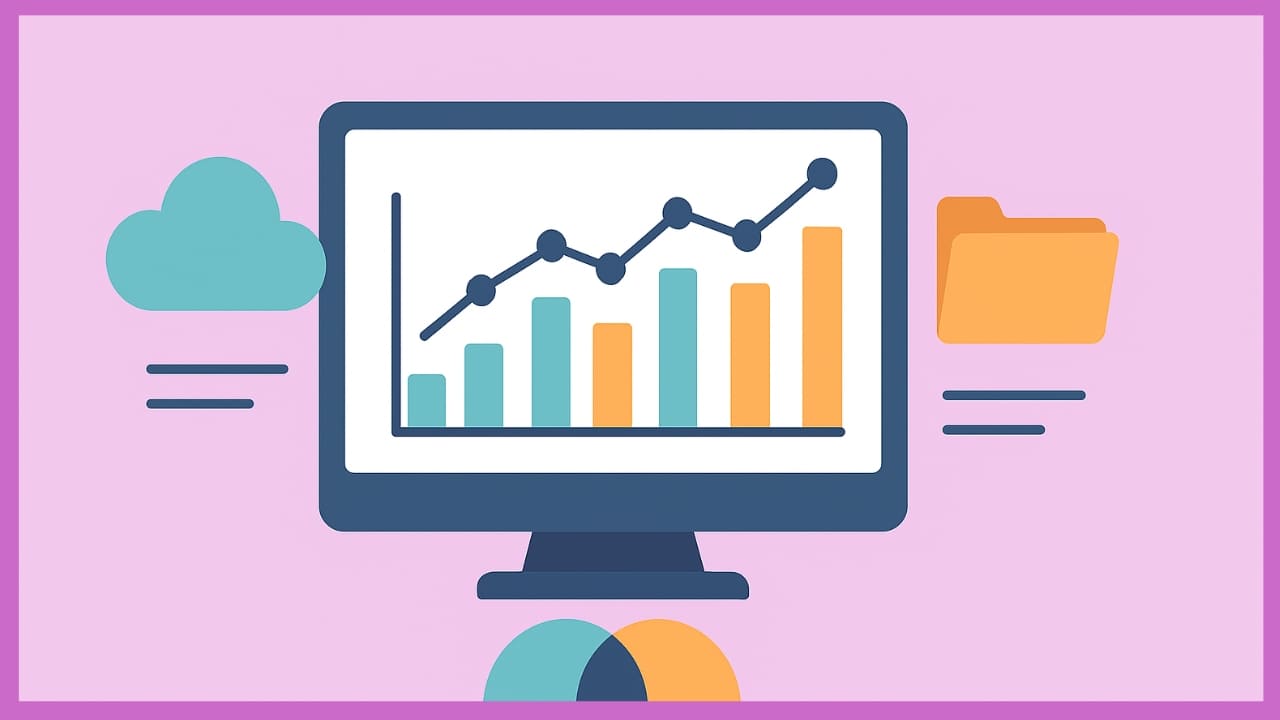
Integrating external data, such as consumer behavior insights, with internal metrics, such as ad spend and campaign performance, is key to understanding your audience. Use real-time data to refine ad creatives and ad targeting strategies. Combining insights from both sources enables you to identify new opportunities, optimize ad performance, and improve overall ad spend efficiency. This blended approach enhances your ability to make informed decisions and adjust campaigns effectively.
Optimize Creatives With Real Insights:
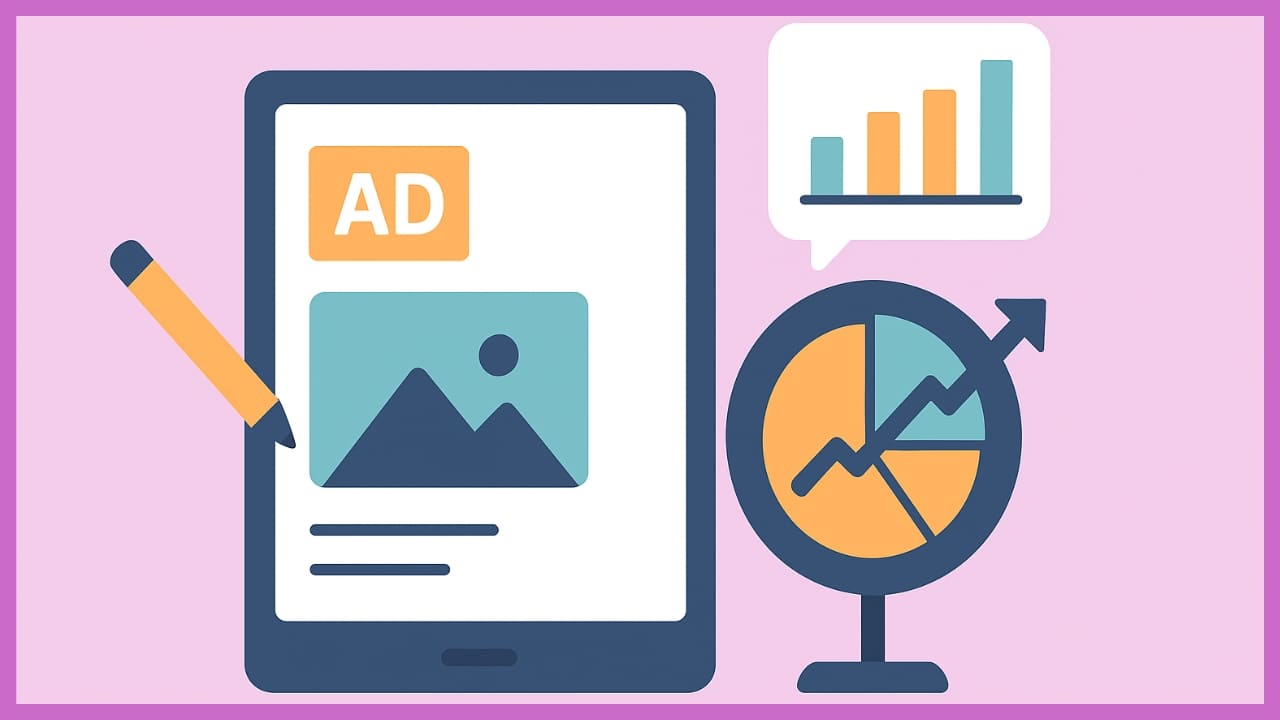
To optimize ad creatives, leverage real-time data to understand what resonates with your audience. Use ad intelligence tools to track engagement metrics and adjust your messaging accordingly. Testing different ad creatives helps improve audience engagement, increasing the likelihood of higher conversion rates. Data-driven insights refine these elements, ensuring that your ad campaigns perform better and achieve a higher ROI with minimal resource waste.
Stay Consistent And Adaptive:

Consistency in tracking ad performance data is key to long-term success. Digital ad intelligence helps you monitor campaign performance continuously and adjust strategies as needed. Stay adaptive by adjusting ad creatives, placements, and targeting based on real-time feedback. This approach ensures you remain competitive and responsive to market changes, ultimately leading to optimized ad spend and higher conversion rates in the ever-evolving digital marketing landscape.
Conclusion
Digital advertising intelligence transforms how marketers run ads by turning performance data into actionable insights. With the right tools, teams can see what’s working across campaigns, refine creatives, optimize placement, and track audience engagement in real time. It helps reduce budget waste, improve conversion rates, and make smarter decisions based on facts rather than intuition. As product advertising becomes more competitive, these insights give marketers a clear edge by identifying patterns, gaps, and opportunities others miss. As you build smarter, data‑driven campaigns, how will you use ad intelligence to improve your next ad performance?
FAQs
1. What is the primary goal of digital advertising intelligence?
The goal is to improve ad campaign performance by using data-driven insights to optimize strategies, targeting, and creatives.
2. How does digital advertising intelligence help in targeting the right audience?
It analyzes audience behavior and engagement patterns to pinpoint the most relevant target groups for your campaigns.
3. What types of digital advertising platforms use intelligence tools?
Platforms like Google Ads, Facebook Ads, and Instagram Ads use intelligence tools to optimize performance and measure ROI.
4. How can digital advertising intelligence improve conversion rates?
By providing insights into ad performance, it helps identify effective strategies and creatives that drive higher conversions.
5. Is digital advertising intelligence beneficial for large enterprises only?
No, both small businesses and large enterprises can leverage it to optimize ad spend and campaign performance.



Leave a Comment