

Your online store might be missing out if you picked an e-commerce platform without strong SEO capabilities. Site speed, built-in SEO tools, and customizable meta elements become vital for visibility in 2025. Because search engine algorithms now reward platforms that allow technical SEO control and solid URL structure, choosing the right platform can make or break your site’s SEO. This article presents the best ecommerce platforms for SEO in 2025, offering a comprehensive guide to help business owners choose the right platform and succeed online.
Why SEO Is Important for E-commerce
SEO is essential for every e-commerce website because it enhances visibility, drives organic traffic, and strengthens long-term online business growth. Some key benefits include:
- Improves Search Engine Ranking: A strong SEO strategy helps an e-commerce store rank higher on Google and other search engines, thereby increasing the number of potential customers.
- Boosts Site Traffic: Optimized product pages and advanced SEO features attract relevant visitors, consequently improving overall site performance.
- Enhances User Experience: Platforms like Shopify and WooCommerce offer built-in SEO features that improve site speed and usability.
- Increases Conversions and Sales: Effective technical SEO and tools like Yoast SEO help convert traffic into loyal customers, thereby improving profitability.
10 Best E-commerce Platforms for SEO in 2025
1. Shopify:

Shopify is one of the best e-commerce platforms for SEO because it provides strong built-in SEO features and reliable performance. Business owners can easily manage on-page optimization, metadata, and redirects. The platform offers advanced SEO tools designed to enhance visibility and boost organic rankings. Moreover, it ensures excellent site speed, which directly supports SEO performance. Shopify is the best choice for online businesses that require simplicity and strong SEO capabilities.
2. Wix eCommerce:

Wix eCommerce has become one of the top eCommerce platforms for SEO in 2025 because of its flexibility and ease of use. The platform offers a fully customizable eCommerce website builder ideal for small business owners and digital marketing agencies. Wix provides advanced SEO settings that help optimize pages, products, and images. Additionally, it supports integrated SEO tools for keyword tracking and analytics, ensuring higher visibility across search engines.
3. Shoporama:

Shoporama is an effective eCommerce solution that combines strong SEO capabilities with a simple user interface. It offers business owners the freedom to customize their e-commerce stores without sacrificing technical SEO requirements. Moreover, it supports multiple SEO elements, including structured data and XML sitemaps. Because of its site speed optimization and built-in SEO features, it is undoubtedly one of the best eCommerce platforms for SEO-focused businesses.
4. BigCommerce:

BigCommerce is a leading e-commerce platform that offers advanced SEO functionalities and strong site performance. The platform provides various built-in SEO features that simplify optimization for large eCommerce stores. Additionally, it allows integration with top SEO tools and plugins, such as Yoast SEO. Because of its scalable architecture and SEO-friendly structure, BigCommerce helps businesses achieve strong visibility and better rankings across major search engines.
5. Magento:

Magento remains a powerful eCommerce platform offering unmatched SEO flexibility. It allows full customization of SEO elements, metadata, and schema markup. This platform is suitable for businesses that require complex SEO strategies and advanced control. Moreover, it offers high scalability for large eCommerce websites with thousands of products. Because of its strong technical SEO foundation, Magento remains one of the best eCommerce platforms for 2025.
6. Squarespace:

Squarespace is an SEO-friendly eCommerce website builder with an intuitive design and solid SEO capabilities. The platform offers customizable templates optimized for speed and search engine visibility. Additionally, Squarespace integrates essential SEO tools to improve rankings and manage site analytics. Because of its simplified interface, even beginners can enhance their store’s SEO performance. Overall, it’s a suitable option for small businesses focused on a balance between design and SEO.
7. WooCommerce:
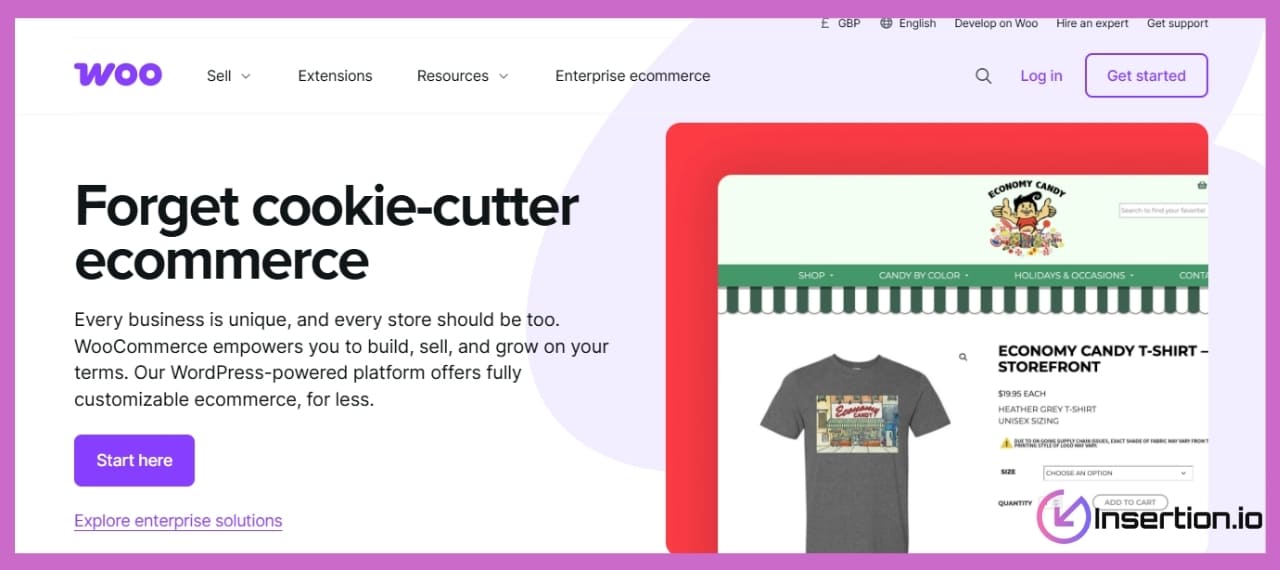
WooCommerce, a WordPress plugin, is one of the best SEO eCommerce platforms for flexibility and control. It supports plugins like Yoast SEO to help optimize every product page effectively. Additionally, WooCommerce provides full access to SEO elements, metadata, and site structure. Business owners can easily manage their eCommerce sites and achieve strong rankings thanks to its robust SEO foundation and customizable settings.
8. Weebly:

Weebly is a popular eCommerce platform that offers essential SEO features for small- to medium-sized online stores. It includes built-in SEO tools that allow users to optimize titles, descriptions, and URLs. Additionally, it provides a simple website builder for beginners, ensuring SEO tasks are manageable. Because of its stable site speed and clean code structure, Weebly remains an effective platform for businesses focusing on organic growth.
9. Volusion:

Volusion is an SEO-friendly eCommerce solution that offers robust SEO capabilities and marketing integrations. It allows customization of metadata, alt tags, and site structure, improving visibility on search engines. Additionally, Volusion provides reporting tools to effectively track SEO performance. Because it emphasizes site speed and optimization, the platform is suitable for growing online businesses that want a solid SEO foundation.
10. 3dcart (Shift4Shop):

3dcart, now known as Shift4Shop, is one of the leading eCommerce platforms for SEO-focused businesses. It offers built-in SEO tools, fast site performance, and support for structured data. Additionally, it includes advanced options to edit meta tags, canonical URLs, and schema markup. Because of its robust SEO features, 3dcart is ideal for business owners looking for an all-in-one eCommerce solution with strong SEO control.
Conclusion
Choosing a platform that prioritises SEO capabilities is no longer optional for any e-commerce or reverse dropshipping business that wants sustainable growth. Platforms with strong SEO features, site speed optimisation, technical SEO support, and built-in SEO tools give your online store a competitive edge. Whether you lean toward a platform like Shopify or an open-source solution you customise, align the decision with your business needs and long-term SEO efforts. Ready to pick the right e-commerce platform for SEO in 2025 and power your online success?
FAQs
1. What does an SEO-friendly eCommerce platform mean?
An SEO-friendly eCommerce platform includes built-in SEO tools, fast site speed, and customization options for better rankings.
2. How often should I update my eCommerce SEO strategy?
You should review and update your SEO strategy every few months to match Google’s evolving algorithms.
3. Can a blogging platform help improve eCommerce SEO?
Yes, adding a blog helps increase keyword reach, internal linking, and overall site authority for SEO.
4. Are paid SEO tools necessary for an online store?
Not always, but advanced SEO tools can improve keyword analysis, backlink tracking, and performance insights.
5. Does mobile optimization affect e-commerce SEO performance?
Yes, mobile optimization is crucial because Google prioritizes mobile-friendly websites in search rankings.




Leave a Comment